DETECTAA-AI: an educational prototype exploring support for childhood developmental screening
A Saturdays.AI Quito team documents a prototype combining image classification and questionnaires, its limitations, and possible research directions in child development.
A learning project shared by the community. The article documents its team, methods and results; it does not establish that the prototype is ready for real-world use.
Editorial note: this article documents an educational project and its results on the data used. It does not establish clinical validation or authorisation to diagnose or treat patients. Proposed healthcare applications are retained as the team’s goals, not demonstrated capabilities.
Quito. 2021
As an academic exercise, we explore how artificial intelligence might support research into childhood developmental screening.
Saturdays.AI is a global initiative that makes quality AI education accessible to people with different educational and professional backgrounds. With this aim, our research and development team, comprising {Andrea Mariana Escobar, Danny Aguirre, Luis Chamba Eras, Marco Chiluiza, Paúl Quezada}, decided to take part in the third edition of Saturdays.AI Quito, held online.
In our first session, we brainstormed a research direction with social impact, linked to the goals of the Agenda 2030.
Our initial proposal was “A chatbot to support emotion management in autistic children”. We created an initial problem tree (Fig. 1) and reviewed the literature to define its scope, identifying 27 relevant scientific articles (see Table 1).
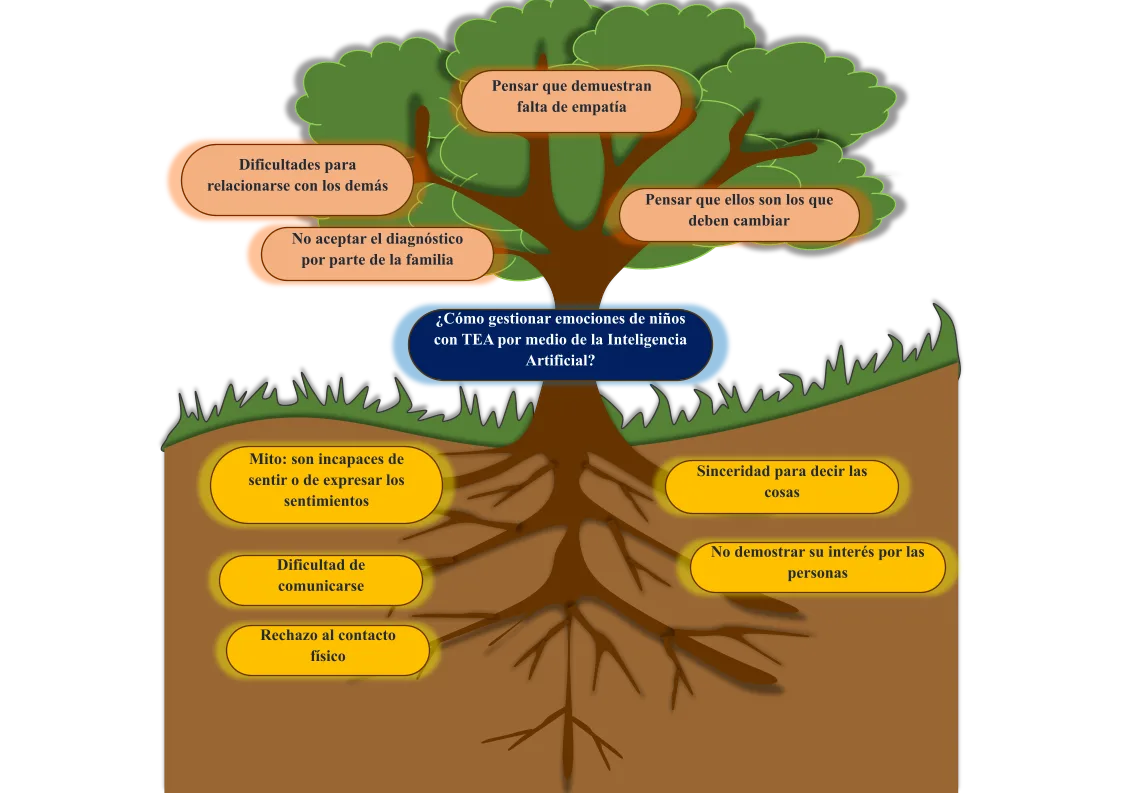
Figure 1. Initial problem tree.
The literature review helped us understand previous work and possible directions for computing research with a social purpose. We also encountered an important limitation: we did not identify a suitable openly available dataset for our initial proposal.
We also consulted autism-related groups and resources on social media and the web. This highlighted the diversity of experiences and the need to listen to autistic people, their families and professionals. We sought specialist advice to address our initial questions and assess the project’s feasibility.
During our search, we found an image dataset on Kaggle (https://www.kaggle.com/gpiosenka/autistic-children-data-set-traintestvalidate), whose labels had been used in autism-related classification experiments. This shifted our focus from emotions to facial-image classification. Classifying the labels in that dataset does not demonstrate that autism can be diagnosed from a photograph.
We conducted two interviews to understand professional perspectives. In the first, we presented our proposal to specialist Amparito Morales. Her initial reservations helped us discuss possible uses and limitations of technology in schools, particularly in the work of the Department of Student Counseling (DECE). The team proposed a tool to help prioritise assessments. The discussion explored that idea but does not constitute clinical validation of photograph analysis.
From the first interview emerged the second, with the renowned researcher Catalina López, an Ecuador-based researcher working on sensory and perceptual approaches and the adaptation of tools to the country’s context.
At the time of the interview, Catalina López was working on a screening tool for children and adolescents aged 4–17. She discussed the proposal and suggested directions related to her research, including virtual reality and questionnaire automation. She also highlighted data protection, privacy, confidentiality, informed consent and ethics. Her feedback on the idea should not be interpreted as validation of the prototype.
The researcher also suggested exploring voice or text chatbots to study interaction patterns. The interview helped define the DETECTAA-AI project: an experimental facial-image classifier and a screening component (Fig. 3), alongside possible future research directions.
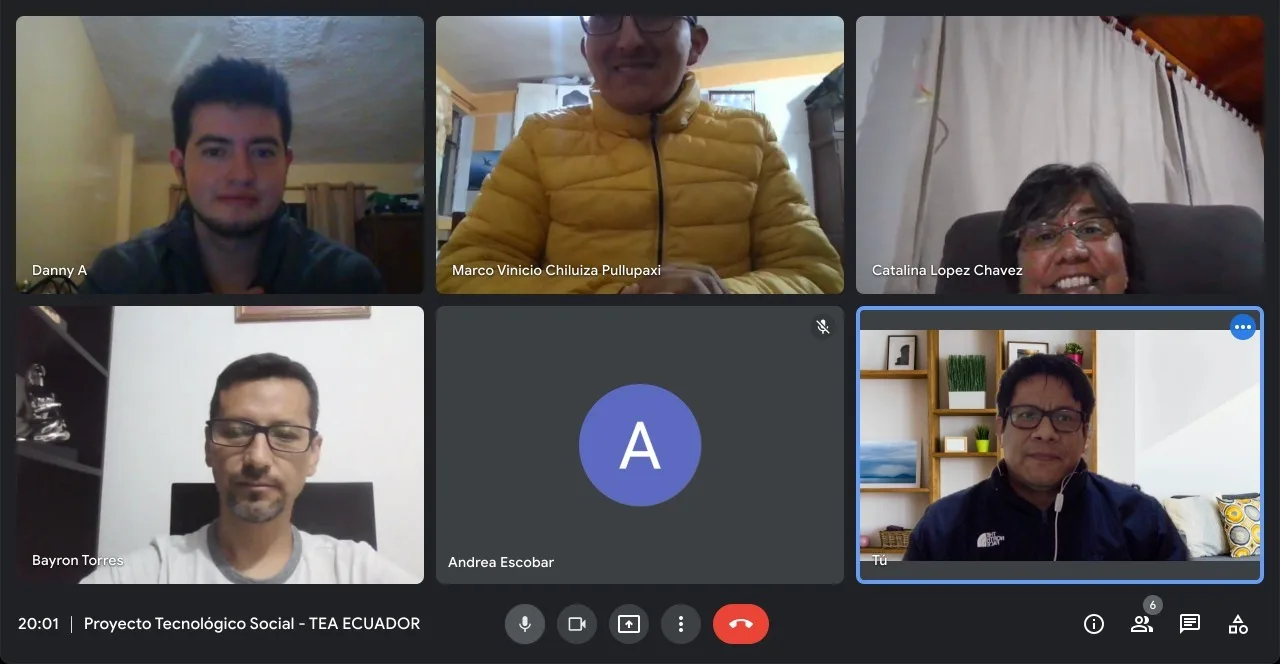
Figure 2. Interview with Catalina López, Specialist in Human Communication Disturbances at the Simón Bolívar Andean University.
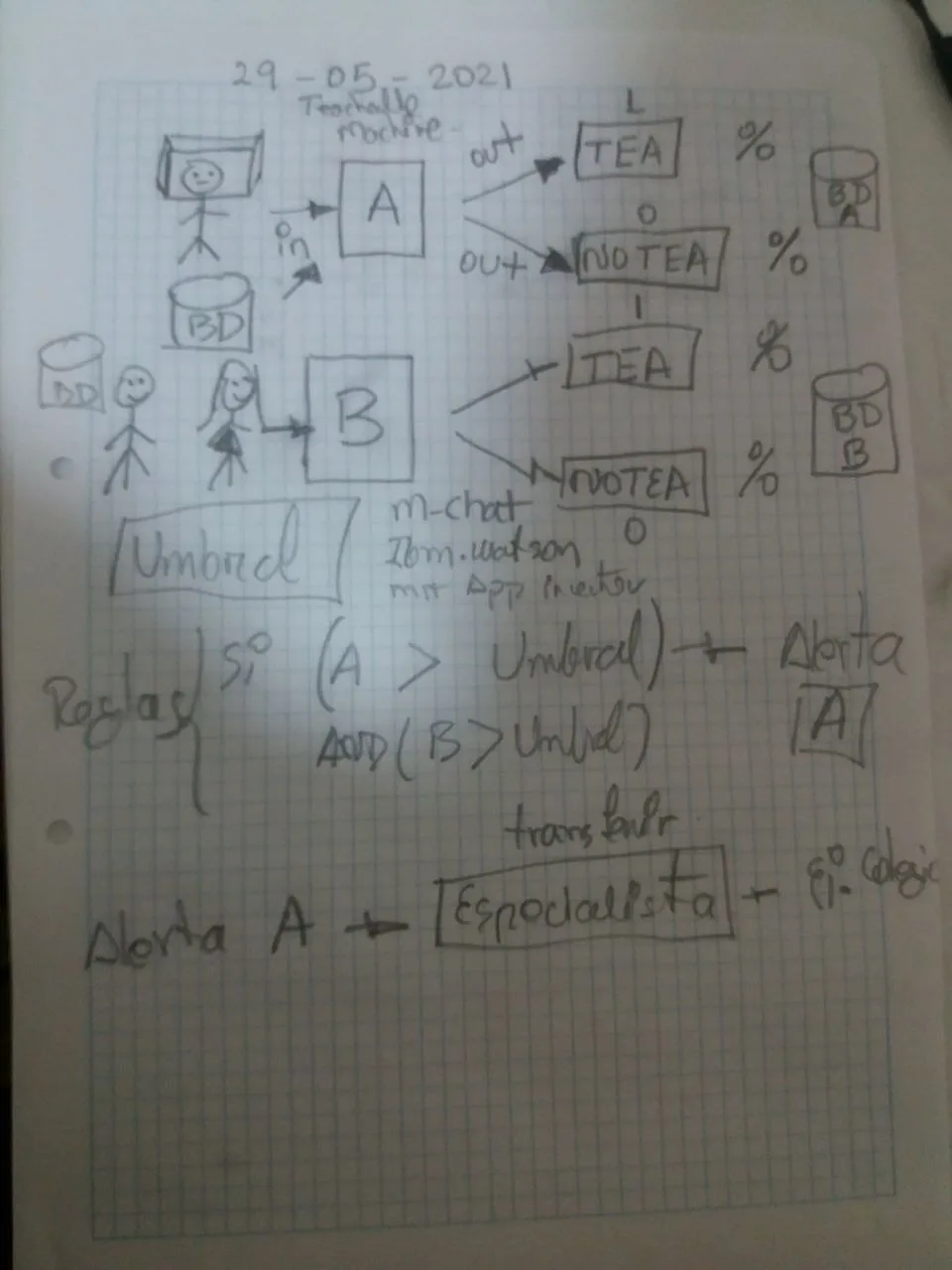
Figure 3. Brainstorming the initial model of the DETECTAA-AI project.
Context
Neurodevelopmental conditions can affect areas such as attention, memory, language, learning and social interaction. Characteristics and support needs vary from person to person. This field includes attention-deficit/hyperactivity disorder, autism spectrum disorder, specific learning difficulties and intellectual disability, among other conditions.
Review note: the language and figures in the following quotation come from a historical source. They do not fully describe the diversity of autistic experiences and should not be read as current data. Diagnosis requires an assessment of development and behaviour, not a photograph. See the NIMH information on autism diagnosis.
“Autism is a complex neurological disorder that usually lasts a lifetime. It is part of a group of disorders known as autism spectrum disorders (ASD). Currently, 1 in 68 individuals and 1 in 42 male children are diagnosed with autism, making it more common than pediatric cancer, diabetes, and AIDS combined. It occurs in any racial, ethnic and social group, and is four times more common in boys than in girls. Autism impairs a person's ability to communicate and relate to others. Also, it is associated with repetitive routines and behaviors, such as obsessively arranging objects or following very specific routines. Symptoms can range from mild to very severe” [1].
Autism in Ecuador
According to the specialist Catalina López, there are the following advances:
- Pilot study for the concurrent validation of the Social Communication Questionnaire (SCQ), as a screening instrument for the detection of the autism spectrum in a sample of the Ecuadorian population aged 0 to 12 years (2016). Technical Report.
- Autism in Ecuador: a Social Group Waiting for Care (2017). Journal article.
- Comparative study of conceptions about autism, from the perspective of neurosciences and neurodiversity (2019). Technical Report.
The historical material consulted by the team cited a worldwide estimate of around 1% for ASD. The linked article also reports 1,521 recorded cases in Ecuador in 2018, along with a figure of 13.75% for incorrect diagnoses. These references reflect the sources and context of the project; they should not be treated as current or directly comparable estimates.
What is the problem?
The staff who work in the student counseling departments of the educational units (DECE) must carry out evaluations to determine which students may present behavioral problems. Due to the large number of students assigned to each professional in these departments, the evaluation process consumes the greatest amount of time available to this staff, leaving very few resources to deepen the diagnosis and support of children who truly present developmental disorders. Fig. 4 shows the problem tree, which was obtained after brainstorming, reading the literature and after the interviews.
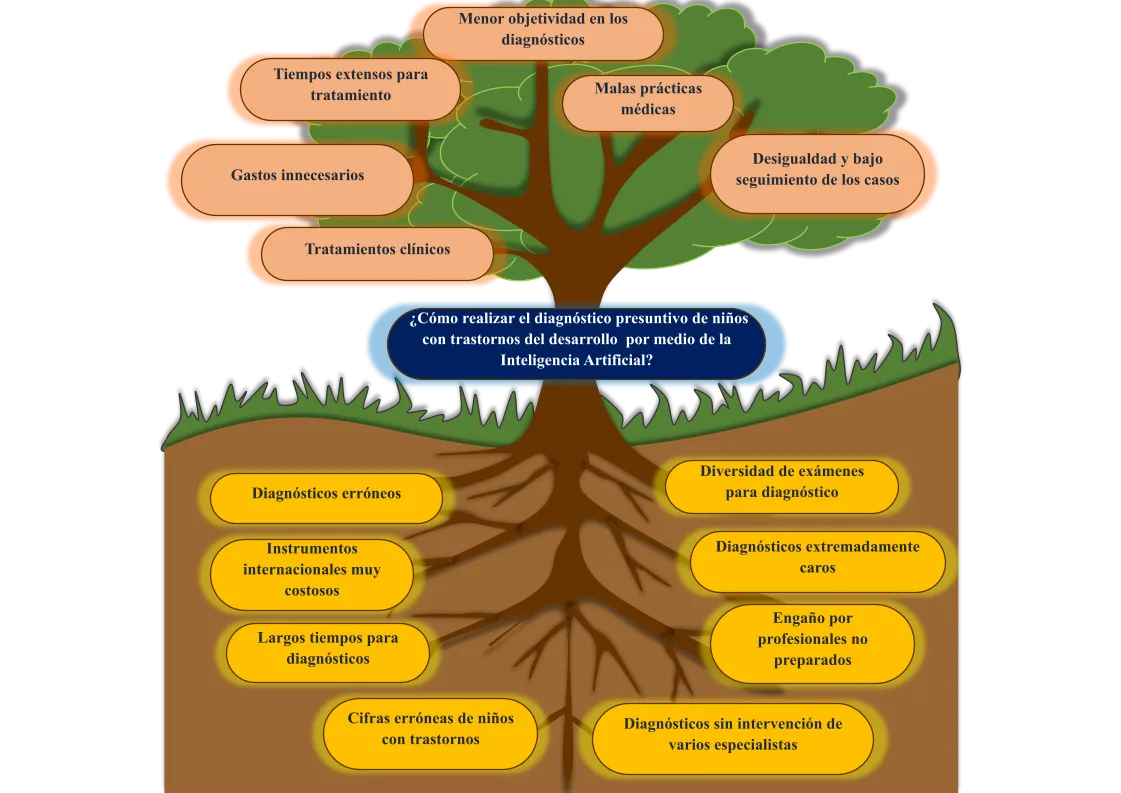
Figure 4. Tree of problems related to the DETECTAA-AI project.
How do we plan to solve it?
A Web application will be developed consisting of two components (Fig. 3).
The first component is an experimental classifier of facial photographs, trained using the labels in the dataset available on Kaggle (https://www.kaggle.com/gpiosenka/autistic-children-data-set-traintestvalidate). Its evaluation must distinguish between recognising patterns in a dataset and demonstrating clinical usefulness. Images alone do not capture a child’s development or behaviour.
Screening uses tests to identify people who may need further assessment. It does not, by itself, confirm or rule out a diagnosis.
The second component explores use of the MCHAT test, as the basis for a possible future question-and-answer interface. Use must follow the instrument’s instructions, intended population and conditions; it should not be generalised to every age group proposed by the project.
How is the project linked to sustainable development objectives?
It is linked to two objectives:
First, with the Health and well-being (SDG 3), goal: strengthen the capacity of all countries, particularly developing countries, in early warning, risk reduction and risk management for national and global health.
Second, with the Reducing inequalities (SDG 10), through the aim of exploring accessible tools that might support communities with limited access to specialist care. This connection expresses the project’s social ambition, not a demonstrated impact.
What is the hypothesis of the project?
The team hypothesised that an AI prototype could contribute to research into tools supporting childhood developmental screening. Its clinical usefulness remained unevaluated.
What is the target population?
- Children from 0 to 12 years
- Fathers, mothers, caregivers
- Educators
- DECE specialists
- Researchers
What does the scientific literature tell us about projects related to facial recognition?
The scientific literature that supports our project is summarized in the Table 2.
What is computer vision?
It is a field of Artificial Intelligence focused on computers being able to extract information from images, offering solutions to real-world problems (Fig. 5).
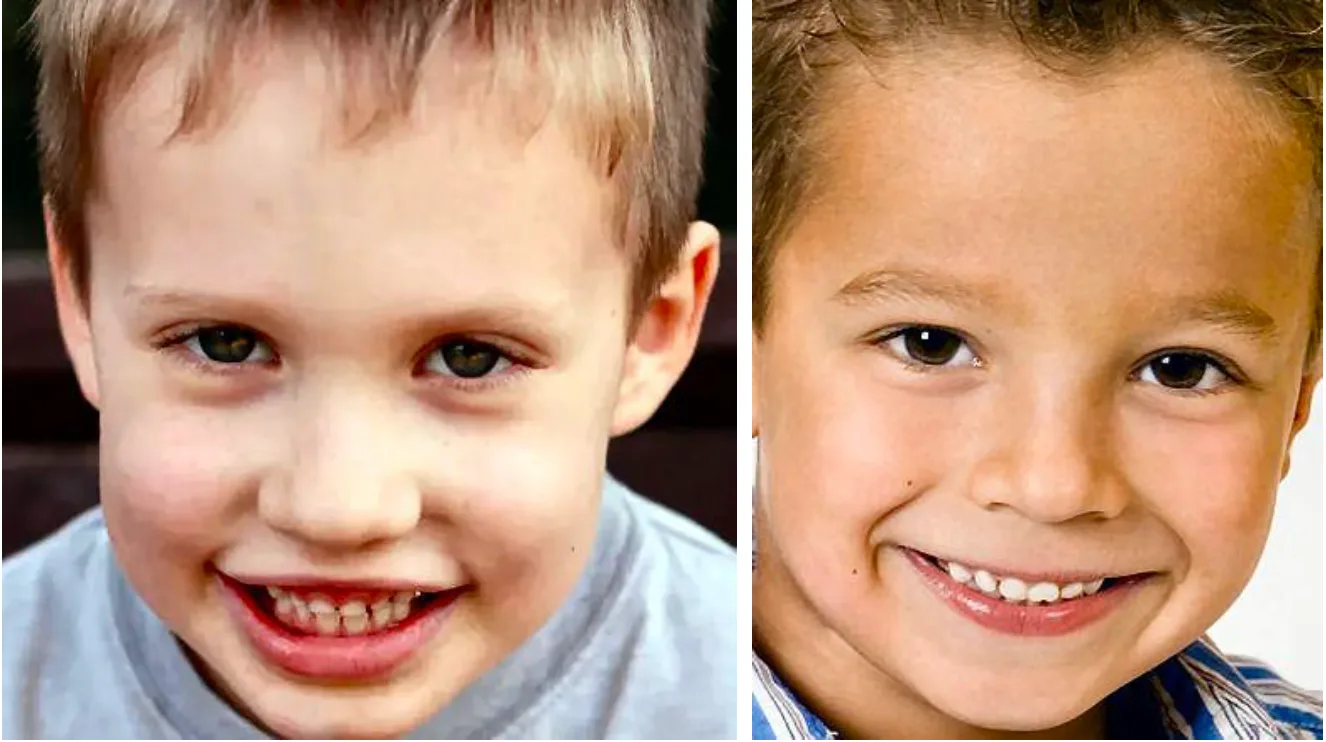
Figure 5. Examples from the two labelled categories in the dataset. The image does not constitute a diagnostic test for ASD.
What areas of knowledge are linked?
- Health Sciences (Mental Health).
- Computer Science (Artificial Intelligence, Computer Vision).
Methodology
We used the Design Thinking methodology. Figure 6 summarises the stages of the work.
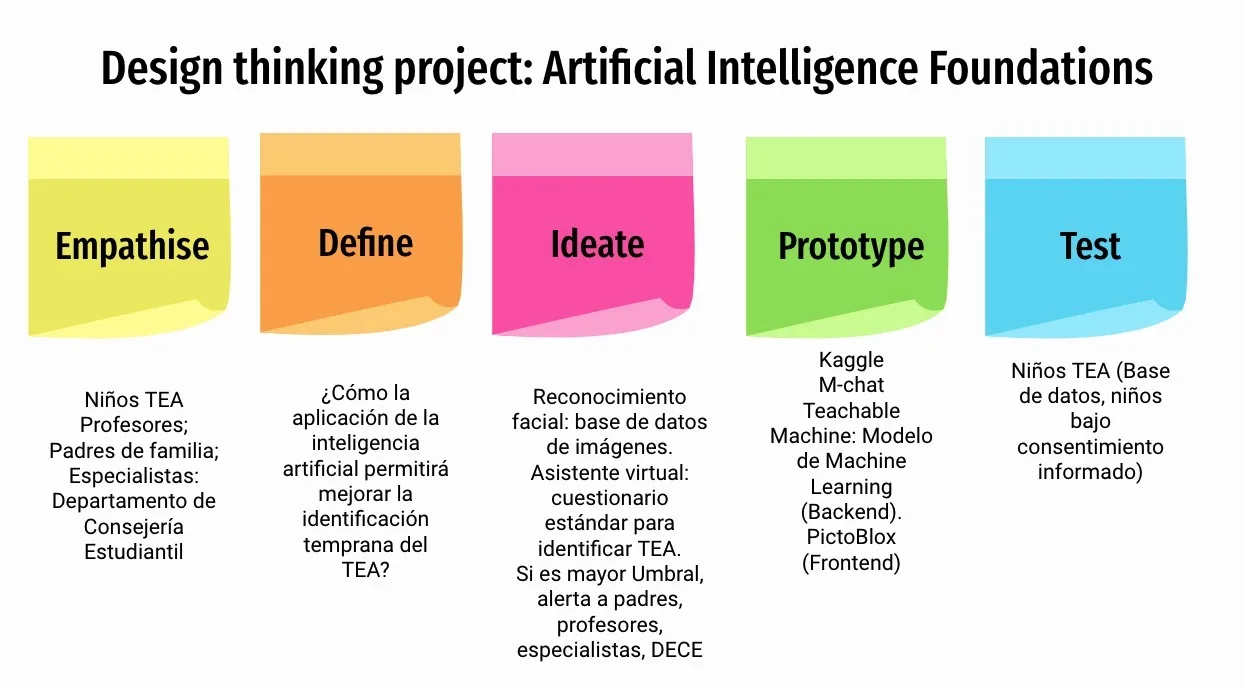
Figure 6. Description of each of the stages of the methodology according to the DETECTAA-AI project.
In Fig. 7, there is a working canvas provided by https://www.analogolab.co/, to apply Design Thinking principles. At this web link, you can view the complete project design.
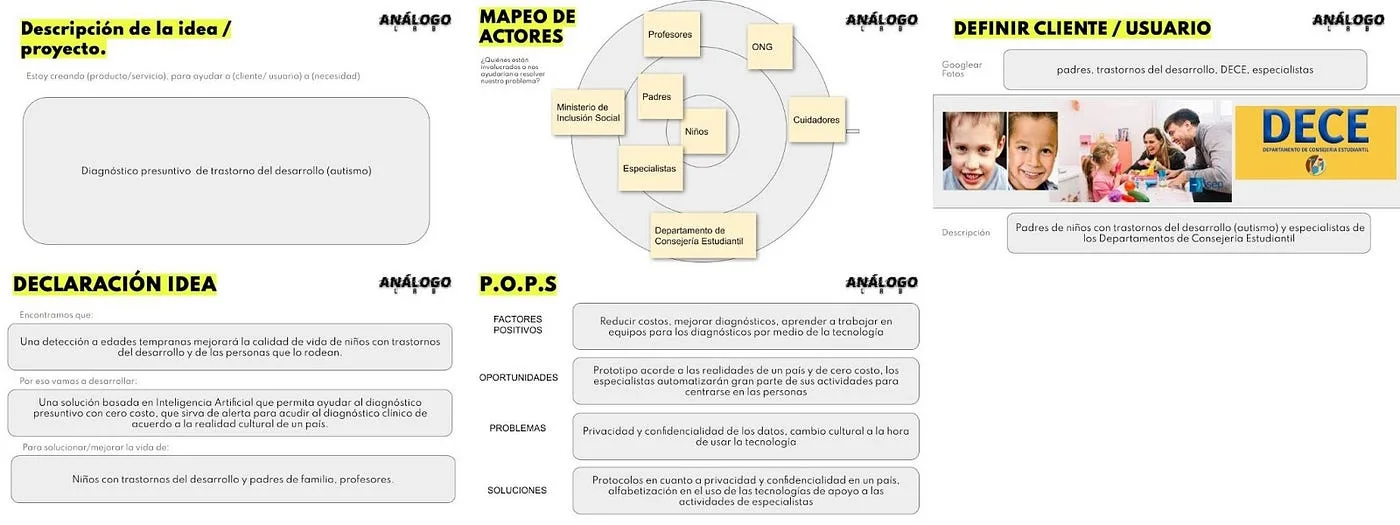
Figure 7. General idea of the project, Mapping of actors linked to the project, defining clients or stakeholders in the project, future beneficiaries, Declaration of the idea, Positive factors, opportunities, problems and solutions.
Results
Architecture
The project architecture is divided into a Frontend application and a Backend application (see Fig. 8). The Frontend, developed with Flask (Python Framework), contains all the interfaces with which the end user interacts. This, in turn, is connected through an endpoint to the Backend. In the Backend there is an API, developed with Flask, that contains a Deep Learning model trained with libraries of TensorFlow and a set of images obtained from Kaggle. The Frontend also interacts with a model trained on Teachable Machine (a Google platform to train machine learning models quickly and easily).
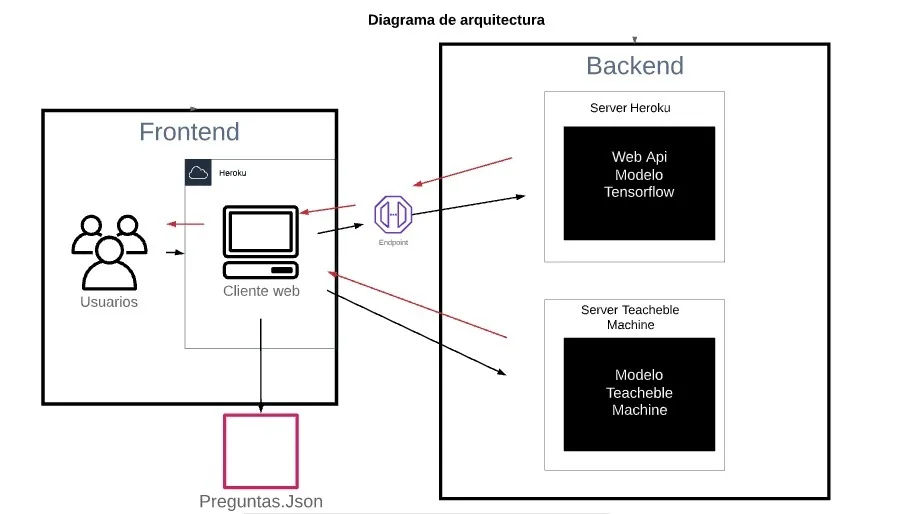
Figure 8. Proposed architecture for DETECTAA-AI.
Web links to the APIs and the DETECTAA-AI application:
- Teachable Machine: https://teachablemachine.withgoogle.com/models/5O0q09n5c/
- Tensorflow Model API: https://reconocimientoteaapi.herokuapp.com/
- FrontEnd: https://detectai.herokuapp.com/
DETECTAA-AI Workflow
In the first example, labelled in the project as a child with ASD, the models and questionnaire produced results consistent with that label (Fig. 9). The displayed scores are not validated clinical probabilities.
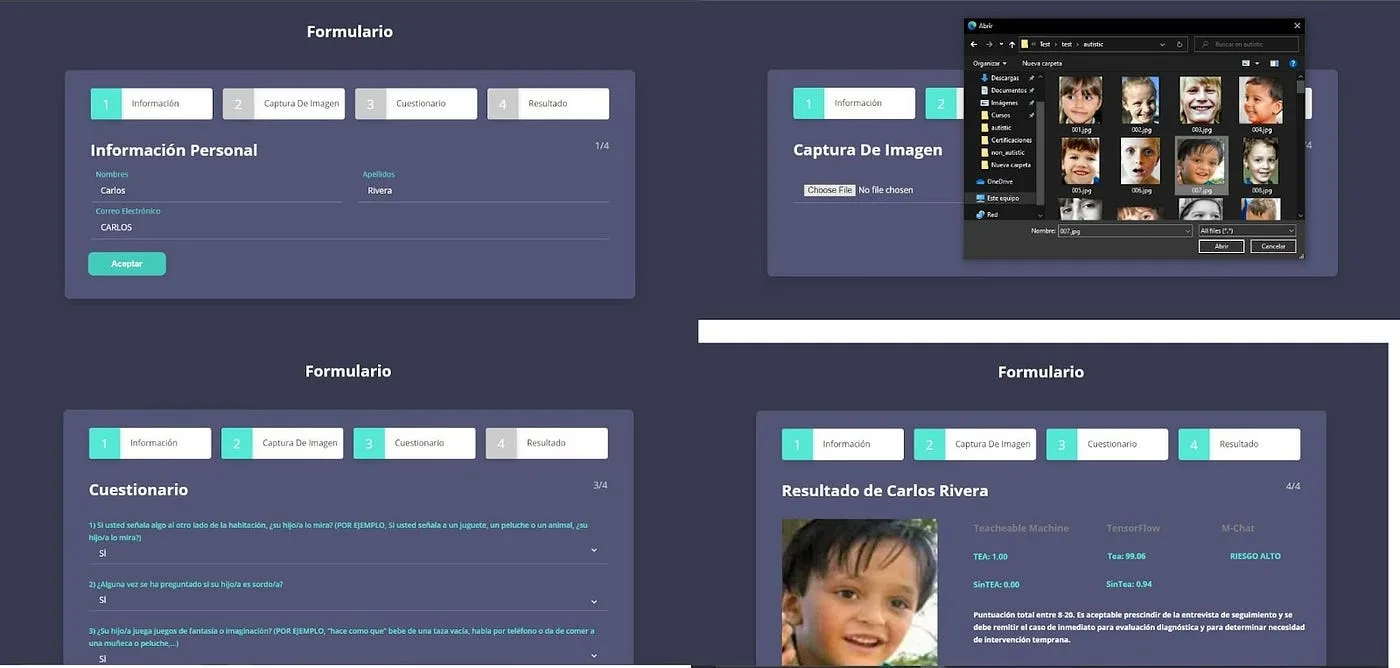
Figure 9. Workflow, case 1.
In the second example, labelled as a girl without ASD, the prototype returned scores of 100% in Teachable Machine and 85.28% in TensorFlow, alongside a low-risk M-CHAT result (Fig. 10). These are prototype outputs, not measures of diagnostic accuracy.
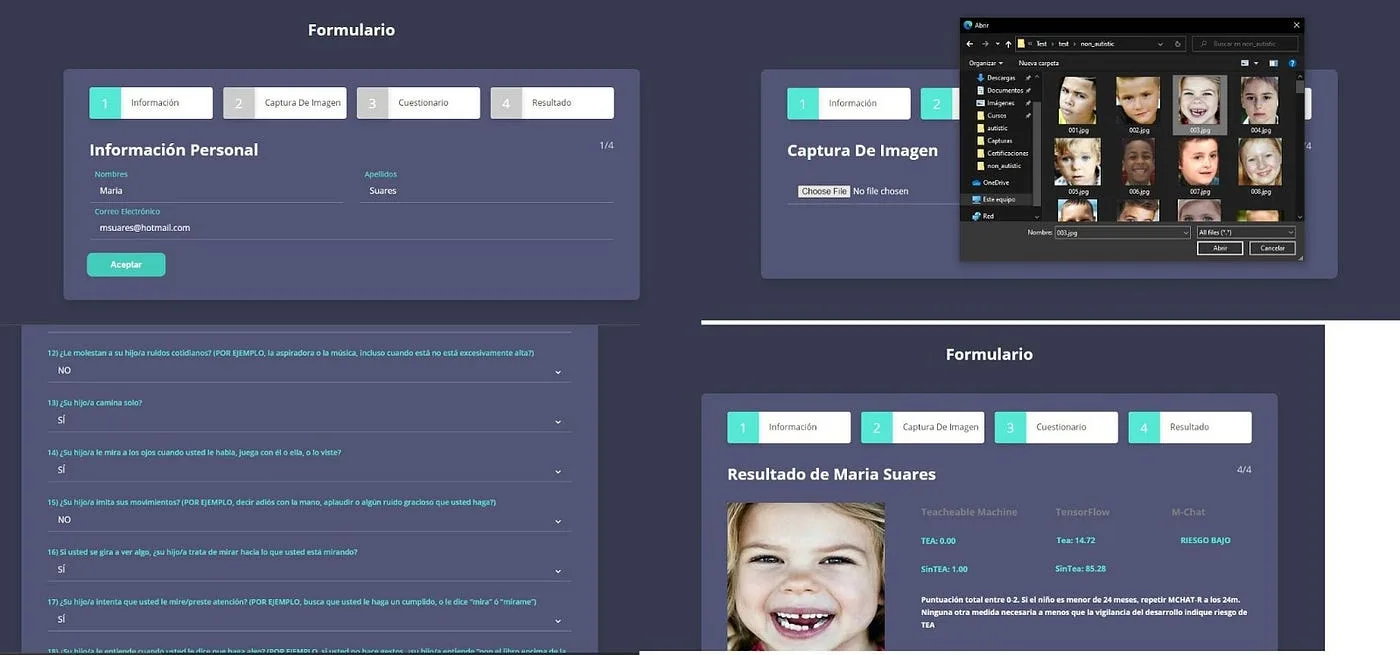
Figure 10. Workflow, case 2.
In the third example, labelled as a child without ASD, the classifiers matched the label while M-CHAT returned a high-risk result (Fig. 11). This disagreement illustrates why these outputs should not be equated with a diagnosis.
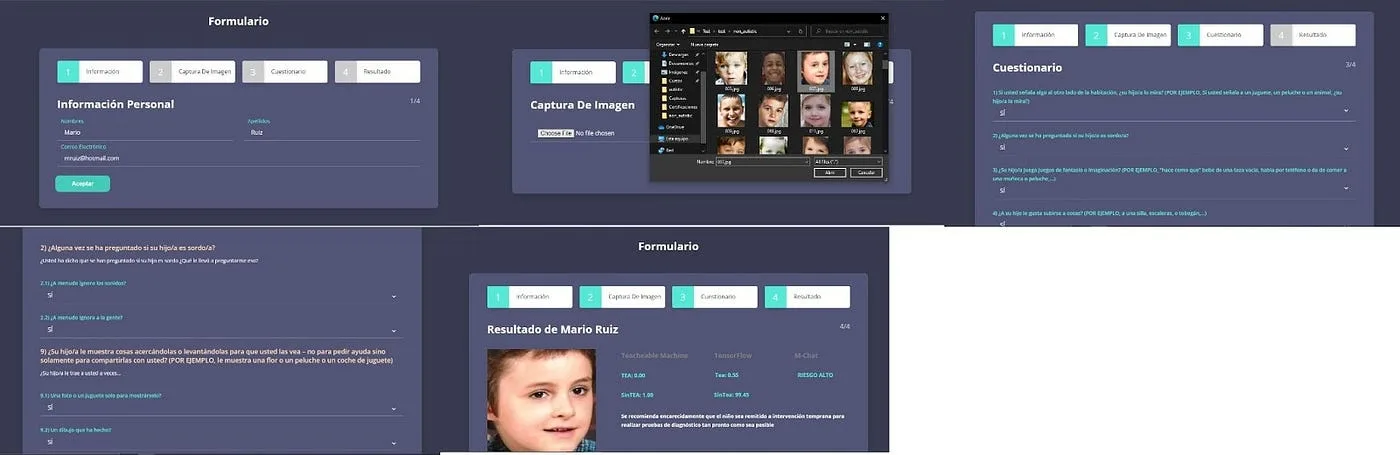
Figure 11. Workflow, case 3.
Conclusions
With the development of the DETECTAA-AI project, the following conclusions were reached:
- The prototype classifies labels in an image dataset; this result does not demonstrate that it detects ASD in people.
- Better evaluation would require representative data, scrutiny of its labels and independent validation; adding more images alone is not enough.
- Artificial intelligence algorithms serve as support for health professionals, but not as a replacement.
- Such initiatives require collaboration between academia, government, businesses, associations and the people they aim to serve, with attention to the Ecuadorian context.
- Combining scientific research with professional processes allows us to build scalable prototypes over time.
- The DETECTAA-AI prototype should be used for academic and research purposes, as an example of proof of concept, and not to be offered as a final diagnostic tool, since a team of professionals is needed to contribute to the detection of ASD.
Future work
- Implement the NLP screening tool, of a question and answer type, using the questionnaire proposed by Dr. Catalina López in the Ecuadorian context, considering privacy, data protection, among others.
- Obtain your own database of images in the context of Ecuador, to test the DETECTAA-AI prototype.
- Explore natural language and speech processing as a research direction, without assuming that these patterns can diagnose ASD.
- Raise awareness among the population that technology can be a very important support in the context of Health.
DETECTAA-AI project resources
- Teachable Machine Page: https://teachablemachine.withgoogle.com/
- Dataset of training and testing images: https://www.kaggle.com/gpiosenka/autistic-children-data-set-traintestvalidate
- GitHub repository: https://github.com/detectaai
- API Link: reconocimientoteaapi.herokuapp.com
- Final Application Link: https://detectai.herokuapp.com/
References
[1] https://www.uasb.edu.ec/reconocimiento-a-la-directora-del-area-de-salud-catalina-lopez-id1550289/
Project presentation: DemoDay
More artificial intelligence!
Saturdays.AI makes AI more accessible through shared learning and projects with a social purpose. Our motto is AI4ALL IS AI4GOOD.
Meet the Saturdays.AI community
Written by
Luis Chamba-Eras
Professor and researcher at the National University of Loja. Research in Artificial Intelligence in Education.
Saturdays.AI
Saturdays.AI is an open community for learning artificial intelligence, collaborating and building projects with social impact.
A story from the Saturdays.AI community. Originally published on Nov 19, 2021.
← More community stories