Artificial intelligence and its role in disinformation.
The challenges posed by the growing influence of artificial intelligence on the spread of disinformation. Discover recent incidents and possible solutions to combat this problem in our society.

The fake explosion at the Pentagon
The spread of a fake image of an explosion near the Pentagon on 22 May 2023 showed how quickly a misleading story can circulate. Shared on Twitter, it caused confusion and coincided with a brief stock-market dip. The episode raised questions about synthetic content and information verification.
On May 22, 2023, several verified Twitter accounts shared an image purportedly showing an explosion near the Pentagon. The image was shared by numerous verified accounts, including one that falsely claimed to be associated with Bloomberg News. The post read: "Large explosion near the Pentagon complex in Washington. Preliminary report”, and showed an image of black smoke rising near a large building.
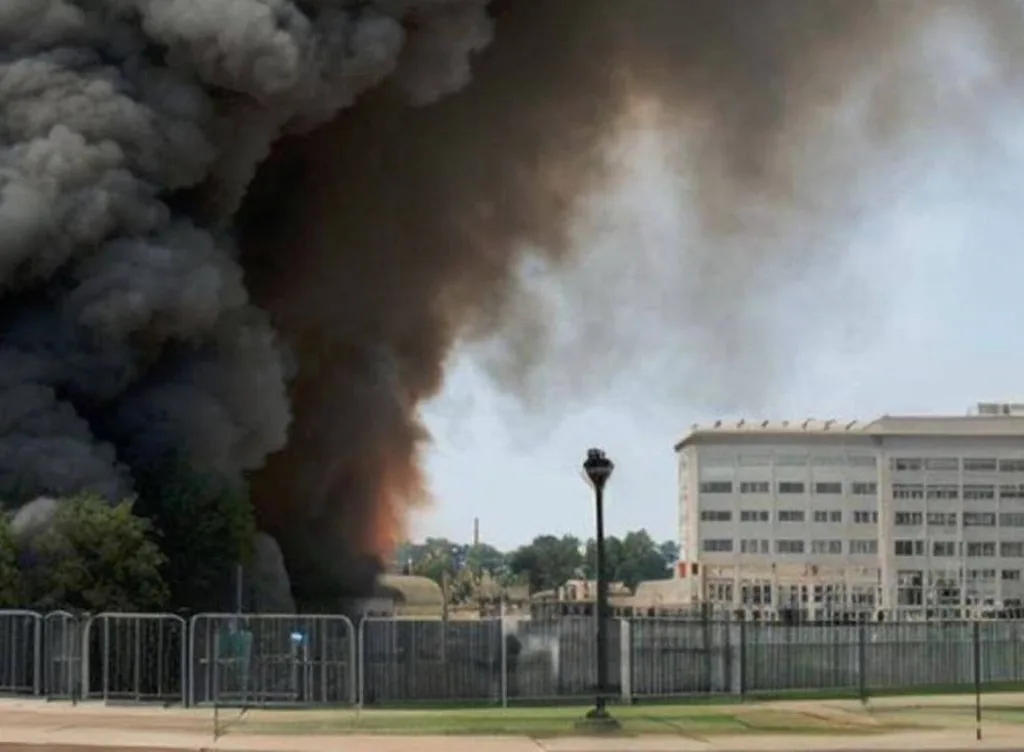
The fake photo spread on Twitter
Spread of misinformation
This incident highlights the problem of misinformation and the need for greater regulation and moderation on social media. In this case, the account that shared the image was suspended by Twitter, but the identity of the person responsible remains unknown. Under Elon Musk, Twitter has implemented a payment verification system, which has weakened the meaning of verification as it is no longer a reliable indicator that an account represents who it claims to represent.
The misinformation spread beyond Twitter. Republic TV, an Indian television network, also showed the image and cited reports from RT. The broadcaster later retracted the report when it became clear that no explosion had occurred.
AI as a disinformation tool
The case is a reminder of the speed and scale at which false information can spread. It also invites us to review the procedures and policies used to verify and moderate information circulating on social media.
AI can convincingly create or alter images, videos and text, adding to the challenges of verification. In the Pentagon case, commentators suggested that the image might have been AI-generated, but the reports cited did not confirm its origin. It is important to distinguish knowing that an image is false from knowing how it was made.
Deepfakes are audiovisual content synthesised or manipulated using deep learning; the term does not describe every false text. Alongside other generated content, they can enable deception that appears credible at first glance. The Pentagon episode illustrates public discussion’s vulnerability to false images, regardless of the specific technique used.
Part of the problem is that AI can produce false content at a speed and scale that exceeds human capacity for moderation and verification. Additionally, the increasing sophistication of these technologies means that detecting fake content is becoming increasingly difficult. The result is an online environment where it is increasingly difficult to discern fact from fiction.

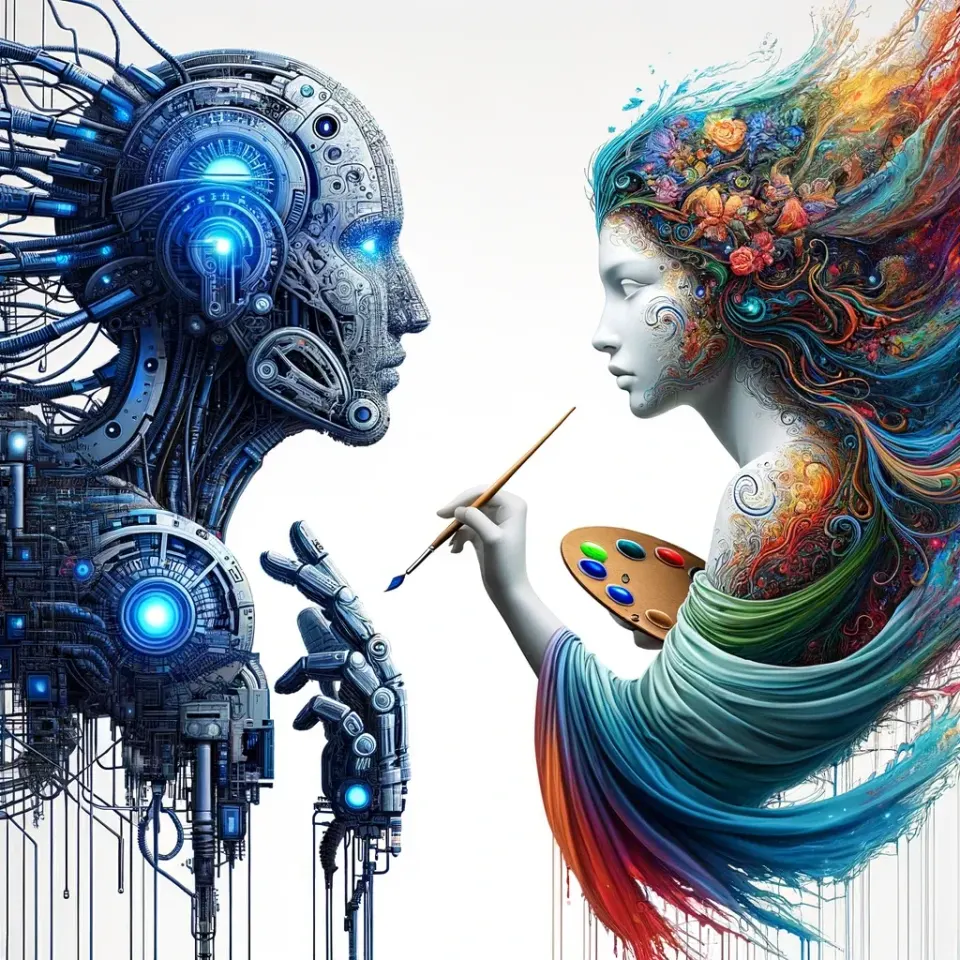
AI-generated image of a robot using a computer.
The solution also involves AI
AI can also support efforts to counter disinformation. Analysing images, dissemination patterns and large volumes of data can help prioritise content for review. But a detector is not definitive proof that something is false: its results need to be checked against reliable sources and context.
Combining automated tools with human review can speed up verification. Strengthening information integrity requires clear procedures, error evaluation and policies that allow mistaken decisions to be corrected.
The role of society
Therefore, it is crucial to develop new strategies and tools to combat AI-generated misinformation. This could involve creating more advanced AI algorithms to detect and filter false content, implementing stricter account verification policies on social media, and promoting greater public awareness about misinformation and how to identify it.
Although artificial intelligence offers many exciting possibilities, its misuse can have detrimental consequences. It is the responsibility of everyone, from AI developers to social media users, to work together to minimize the spread of misinformation and ensure that technology is used in ways that benefit society as a whole.
Written by
Josep Moré Gili
References
Calero, C. (2023, May 22). Verified Twitter accounts share a fake image of an “explosion” near the Pentagon and cause confusion. CNN. https://cnnespanol.cnn.com/2023/05/22/cuentas-verificadas-twitter-imagen-falsa-de-una-explosion-cerca-del-pentagono-trax/
Villasenor, J. (2020, November 23). How to deal with AI-enabled disinformation. Brookings; Brookings. https://www.brookings.edu/research/how-to-deal-with-ai-enabled-disinformation/
More artificial intelligence
Saturdays.AI makes AI more accessible through shared learning and projects with a social purpose. Our motto is AI4ALL IS AI4GOOD.
Become a premium member of Saturdays and you will be able to take advantage of all the benefits of a leading community in Artificial Intelligence: https://saturdays.ai/become-a-member
A story from the Saturdays.AI community. Originally published on May 24, 2023.
← More community stories