Artificial intelligence and viticulture
Introduction Artificial intelligence sooner or later will create advantages for viticulture. This has reached the vineyards in order to guarantee the optimization of their production, as well as the improvement in…
This archive includes automatic translations. Audio, video and text inside images remain in their original language.
Introduction
Artificial intelligence sooner or later will create advantages for viticulture. This has reached the vineyards in order to guarantee the optimization of their production, as well as the improvement in the quality of the wine produced. Spain has the largest wine growing area in the world, with almost one million hectares, as the Spanish Wine Market Observatory (OEMV) tells us.
Advantages
With the use of artificial intelligence, it is about helping the producer to achieve multiple advantages. On the one hand, the decision to select the optimal harvest time, identify the nutritional parameters of plants or predict the areas where they will have adequate production to create different types of wines.
Secondly, with the implementation of new technological strategies, it will be about reduce overall costs even improving the quality of the wine produced. Based on these new parameters, we will be aware of places of water stress, we will measure the nutrients in the soil or warn of possible diseases that the vines may suffer from.
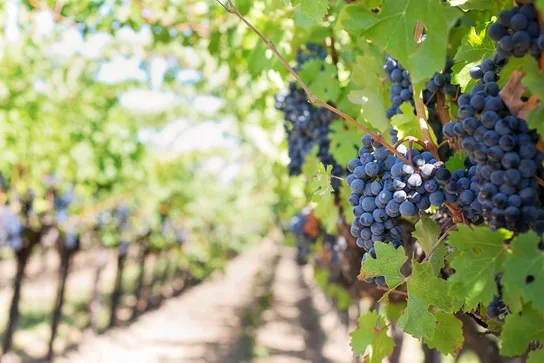
Figure 1. Source: PixaBay
On the other hand, we will also improve irrigation in the vineyards as well as reducing sulfites in the winery. To achieve this, the techniques used will incorporate hybrid artificial intelligence algorithms and DeepReinforcementLearning capable of homogenizing processes and transferring information to a system, in order to guarantee the quality and healthiness of the wine that reaches the consumer.
Projects
Currently, we know of multiple projects that have been carried out or are still being tested. Among these, it is worth highlighting:
-Project AI4EU under the umbrella Horizon 2020 of the European Commission.
–INTELWINES, individual R&D project.
Various images are captured from drones or satellites, where they are subsequently incorporated into a database and processed through algorithms, thus being able to improve production and measure the quality of the grapes.
Climate change is also one of the other factors to take into account when redesigning possible solutions and adapting crops to the new era we are living in. Readapting processes with the resources offered by artificial intelligence will allow us to plan in the long term and be able to act in the most correct way, thus reducing the environmental footprint.
Conclusion
In summary, many projects are still in development and waiting to see their results in order to obtain an improvement in this sector and be able to offer the best quality of wine to consumers, thus achieving the optimization of resources, reverting both to environmental sustainability and to the quality of the grapes.
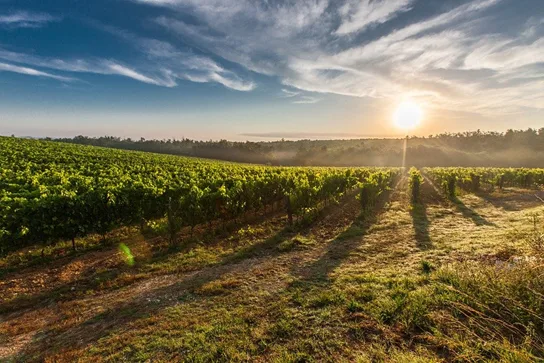
Figure 2. Source: PixaBay
Bibliography
Tecnovino [06-12-2022]: https://www.tecnovino.com/inteligencia-artificial-en-los-vinedos-de-ribera-del-duero-para-mejorar-la-produccion-y-calidad-de-la-cosecha/
Sheepcarrapayment[06-12-2022]: https://www.pagodecarraovejas.com/desarrollo-e-implementacion-nuevas-tecnicas-inteligencia-artificial-optimizacion-riego-vinedo-disminucion-contenido-sulfitos-bodega-intelwines/
Expansion [06-12-2022]: https://www.expansion.com/economia-digital/innovacion/2020/08/07/5f2c68bfe5fdea79628b45db.html
Lagacetadelvino [06-12-2022]: https://lagacetadelvino.com/noticias-sobre-vino-actualidad/idi/inteligencia-artificial-robotica-y-big-data-en-el-vinedo/
Written By
Eva Arnall

Saturdays.AI
Saturdays.AI is an impact-focused organization on a mission to empower diverse individuals to learn Artificial Intelligence in a collaborative and project-based way, beyond the conventional path of traditional education
A history of the Saturdays.AI community. Originally published on June 18, 2022.
← More community stories