Will AI replace humans at work?
A reflection on AI and employment: how automating tasks changes work, the opportunities it creates and how to make the transition work for people.
Introduction
We have long debated whether AI will replace jobs and how we can adapt to change. There is no single answer: it depends on the tasks, how work is organised and the decisions we make.
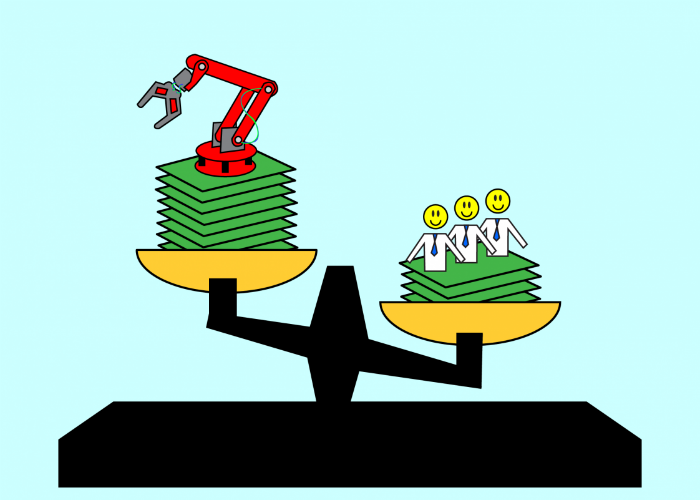
Robotics, automation and AI had already transformed sectors such as manufacturing and automotive production when this article was written. The PwC studies cited at the time explored automation scenarios for the 2030s. Exposure or automation potential does not mean that the corresponding share of jobs will disappear.
OECD studies of automation also distinguish between tasks that could be automated and entire jobs. Their estimates depend on the method, technology and conditions of adoption.
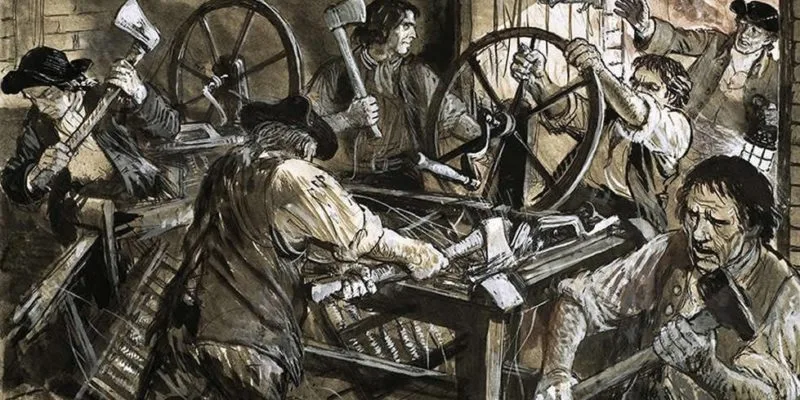
Luddism
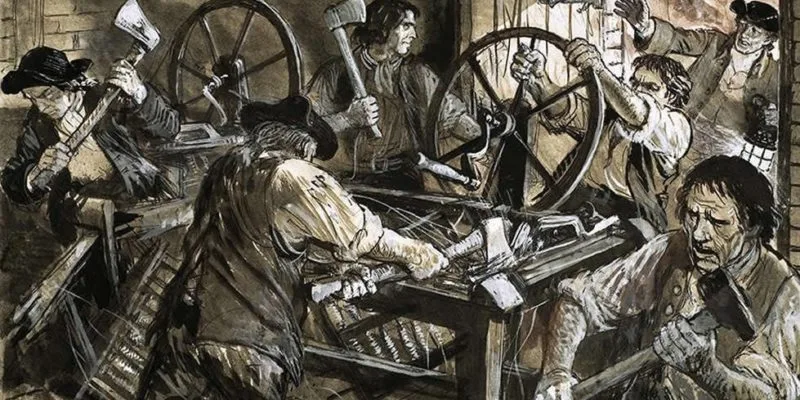
That society is afraid that there are machines that can take away their jobs is not something new. Already there at the beginning of the 19th century there was a movement known as "Luddism." This movement was promoted by English craftsmen who saw their livelihoods threatened during industrialisation. The protests included destroying machinery. The conflict was not only about technology: it also concerned wages, working conditions and control over skilled work.
Opportunities and threats
It is clear that the automation of a large part of the working world would bring a very big change to our lives, but let's see what the opportunities are and what the threats are.
It is clear that there are certain profiles that will benefit more than others. In this case we see how jobs related to science, technology, engineering and mathematics are the ones that will have the greatest prominence. Although perhaps the greatest opportunity that this panorama offers us is that of reduce repetitive tasks. With thoughtful design, automation can leave more time for tasks requiring attention, judgement or human interaction. That transition is not guaranteed and does not benefit everyone equally.
The questions go beyond what AI can do: who sets its goals, how are its outputs checked, and who is accountable for decisions? When a system influences hiring, performance reviews or work organisation, these questions belong in the debate about “ethics” in the application and use of AI. In this article you can read more about this topic.
Will we adapt to this new panorama?
It is perhaps the central issue of this, because we take it for granted that this automation will happen, but what is going to happen to us? What profiles will be the most in demand?
The ability to learn and adapt will be valuable, but responsibility for the transition does not rest solely with individual workers. Training opportunities, time and support from employers and institutions also matter. Creativity, critical thinking and interpersonal skills can help people work with these tools and question their outputs.
Most in-demand profiles
We cannot know with certainty which professions will be most in demand. Some administrative and commercial tasks can be automated, as can tasks within highly skilled professions. The impact depends on how these tasks are combined in each role. The ManpowerGroup survey mentioned in the original version reported executives’ expectations of growth in jobs related to the information technology sector, as well as robotics and related experts.
Conclusion
Once we know that AI will sooner or later be incorporated into the world of work, it is necessary to ask ourselves, is AI really strictly necessary for the future of the world of work? Will it lead us to a much more fruitful scenario as proclaimed, or will it be a setback?
Systems can process large amounts of information and still make mistakes, reproduce bias or lack the necessary context. That is why we need to decide which functions to entrust to them and how to oversee their use. My view is that human judgement and accountability should guide decisions, with technology providing support.
Machines can help us spend less time on repetitive tasks and more on analysis, creativity or working with other people. Turning that potential into better work requires organisational decisions that share the benefits and protect job quality. In short, giving meaning back to work, which in these times is essential for future generations.
Written by
Alejandro Ferrer
Saturdays.AI
Saturdays.AI is an impact-focused organization on a mission to empower diverse individuals to learn Artificial Intelligence in a collaborative and project-based way, beyond the conventional path of traditional education
A story from the Saturdays.AI community. Originally published on June 18, 2022.
← More community stories