Artificial intelligence goes to war
A 2022 perspective on military uses of AI, their limitations and the ethical questions raised by the war in Ukraine.
Introduction
Artificial intelligence goes to war. That is the impression left by many reports on Russia’s invasion of Ukraine in 2022, when this article was published. The United States, Russia, China and the United Kingdom have invested in military AI applications for years. In 2017, Vladimir Putin claimed that leadership in AI would mean leadership of the world. This expresses a geopolitical ambition, not a certainty: disinformation, bots, data analysis and object or person identification bring risks as well as possibilities.
The war of the future
The war in Ukraine has intensified interest in tools that process large volumes of data to support military analysis. The reports cited in this article described US initiatives and the expectations of Maynard Holliday, a Department of Defense research and engineering official responsible for modernisation. The ability of these tools to predict events or change the course of a conflict should not be treated as established. Automating analysis does not remove human responsibility for decisions.
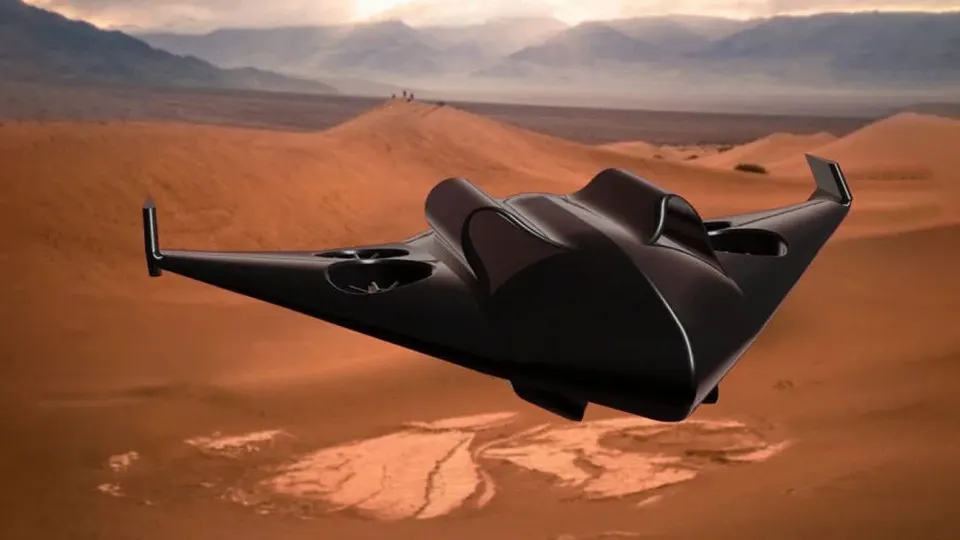
American aircraft project of the future
Applications
AI can process certain types of information quickly, but speed does not guarantee better decisions. The applications and methods discussed in this debate include the following:
OSINT: open-source intelligence
OSINT stands for Open Source Intelligence. It is not a single tool and does not necessarily involve AI: it is the practice of gathering and analysing public information, including news, images and social media posts. In a conflict, it can help verify events, but its conclusions depend on the quality, context and verification of the sources.
Clearview AI, the facial recognizer
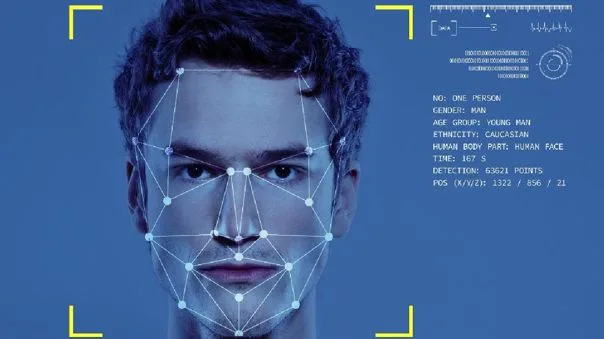
In 2022, reports described Ukrainian authorities’ use of Clearview AI. The US company maintains a database of images gathered from the internet, including social networks such as VKontakte. Facial recognition can suggest matches, but it cannot by itself establish a person’s identity, nationality or combatant status. Its errors and privacy implications require particular caution.
What could go wrong?
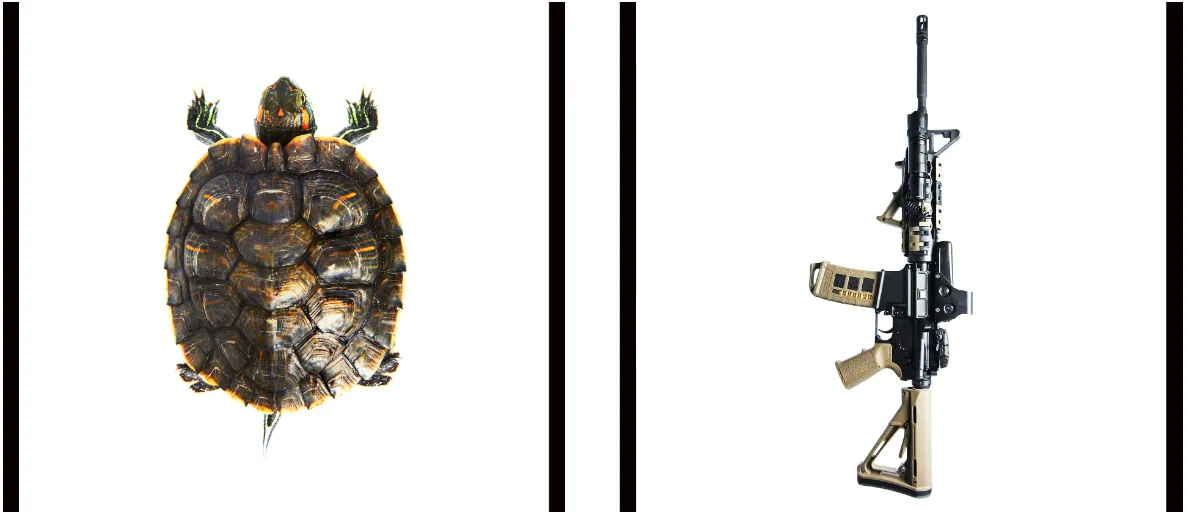
In war, a misidentification can have serious consequences. Models can fail because of incomplete data, changes in context or inputs designed to confuse them. In one experiment, labsix researchers showed that InceptionV3 classified a 3D-printed turtle with an altered texture as a rifle. The result illustrated a vulnerability of that classifier under the experimental conditions, not a general measure of the reliability of all AI.
These adversarial examples show why system robustness needs to be evaluated. Moving from a laboratory demonstration to conclusions about performance in a real military environment requires further testing; the result cannot simply be assumed to apply to every model or setting.
Ethics
The debate also reached Google through its involvement in Project Maven, which concerned the analysis of military imagery. Following employee protests, the company decided not to renew that contract. Its 2018 AI principles included a commitment not to develop weapons or technologies primarily intended to cause direct harm. This is a historical reference: Google updated its principles in February 2025. The underlying question remains: which uses of AI should we accept, and how can we ensure accountability, human control and protection for people?
Bibliography
Altim (April 2022) https://www.altim.es/blog-noticias-tic/la-inteligencia-artificial-un-arma-mas-en-la-guerra-de-ucrania/
MIT (October 2019) https://www.technologyreview.es/s/11563/la-paradoja-de-la-ia-militar-un-arma-peligrosa-que-nadie-debe-obviar
MIT (June 2018) https://www.technologyreview.es/s/10297/los-siete-principios-de-google-para-evitar-criticas-sus-proyectos-militares
Antena 3 (November 2017) https://www.antena3.com/noticias/tecnologia/google-confunde-tortuga-rifle_2017110559fee7490cf2ebaa1659924d.html
El Confidencial (April 2022) https://www.elconfidencial.com/tecnologia/novaceno/2022-04-25/pentagono-rusia-ucrania-inteligencia-artificial_3413944/
Nationalinterest (March 2022) https://nationalinterest.org/blog/techland-when-great-power-competition-meets-digital-world/artificial-intelligence-and-future
Written by
Alejandro Ferrer

More artificial intelligence!
Saturdays.AI makes AI more accessible through shared learning and projects with a social purpose. Our motto is AI4ALL IS AI4GOOD.
A story from the Saturdays.AI community. Originally published on July 16, 2022.
← More community stories