AlphaFold and the 2024 Nobel Prize in Chemistry
The 2024 Nobel Prize in Chemistry recognised David Baker, Demis Hassabis and John Jumper. We explore AlphaFold’s role in predicting protein structures.
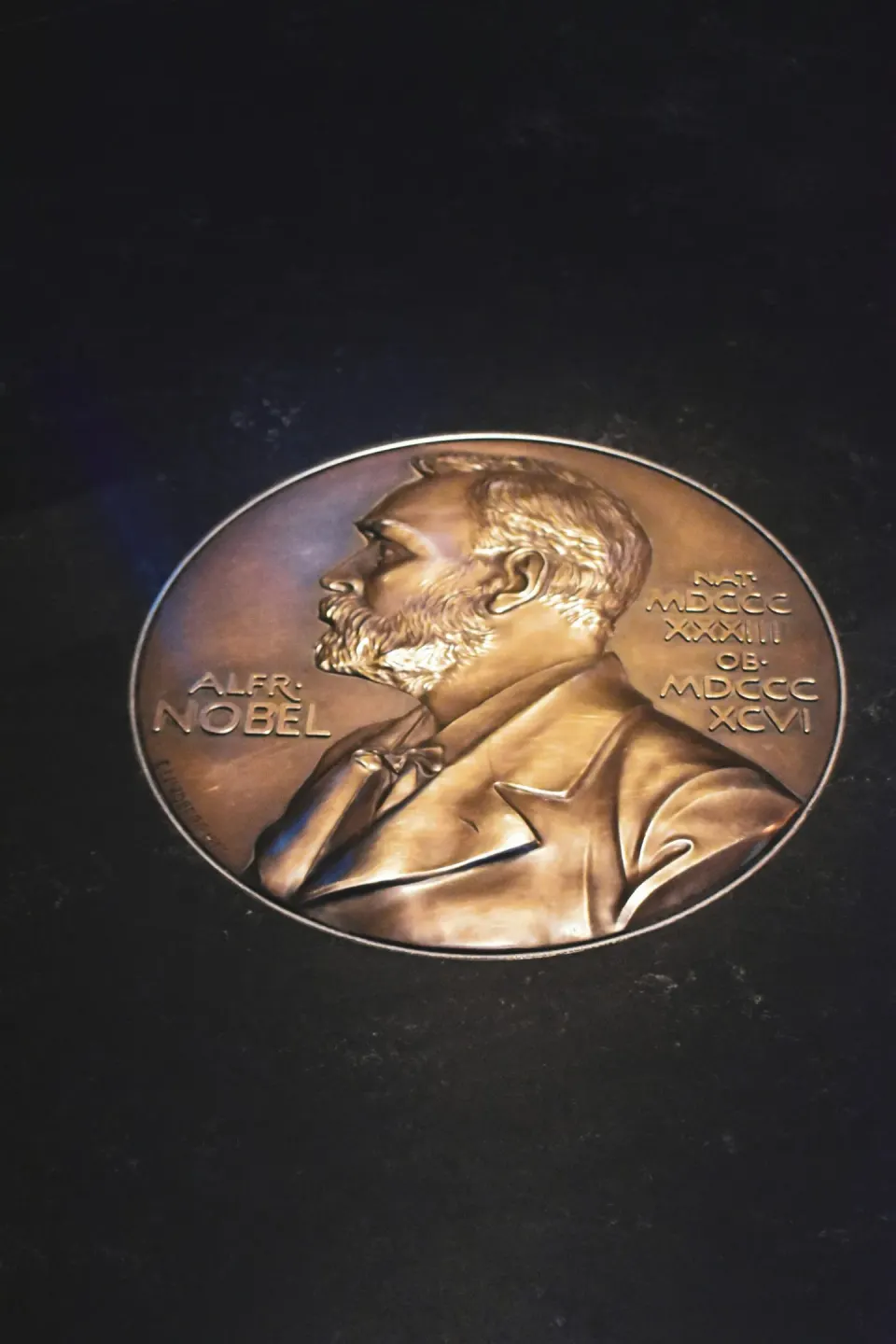
Artificial intelligence helped shape the 2024 Nobel Prize in Chemistry. Demis Hassabis and John Jumper jointly received half the prize for protein structure prediction; David Baker received the other half for computational protein design. A key tool in this advance is AlphaFold, the revolutionary tool of Google DeepMind that is changing our understanding of proteins, molecules with essential roles in life. Here I tell you why it is a historic advance for science and how it could change medicine as we know it.
Why Are Proteins Important?
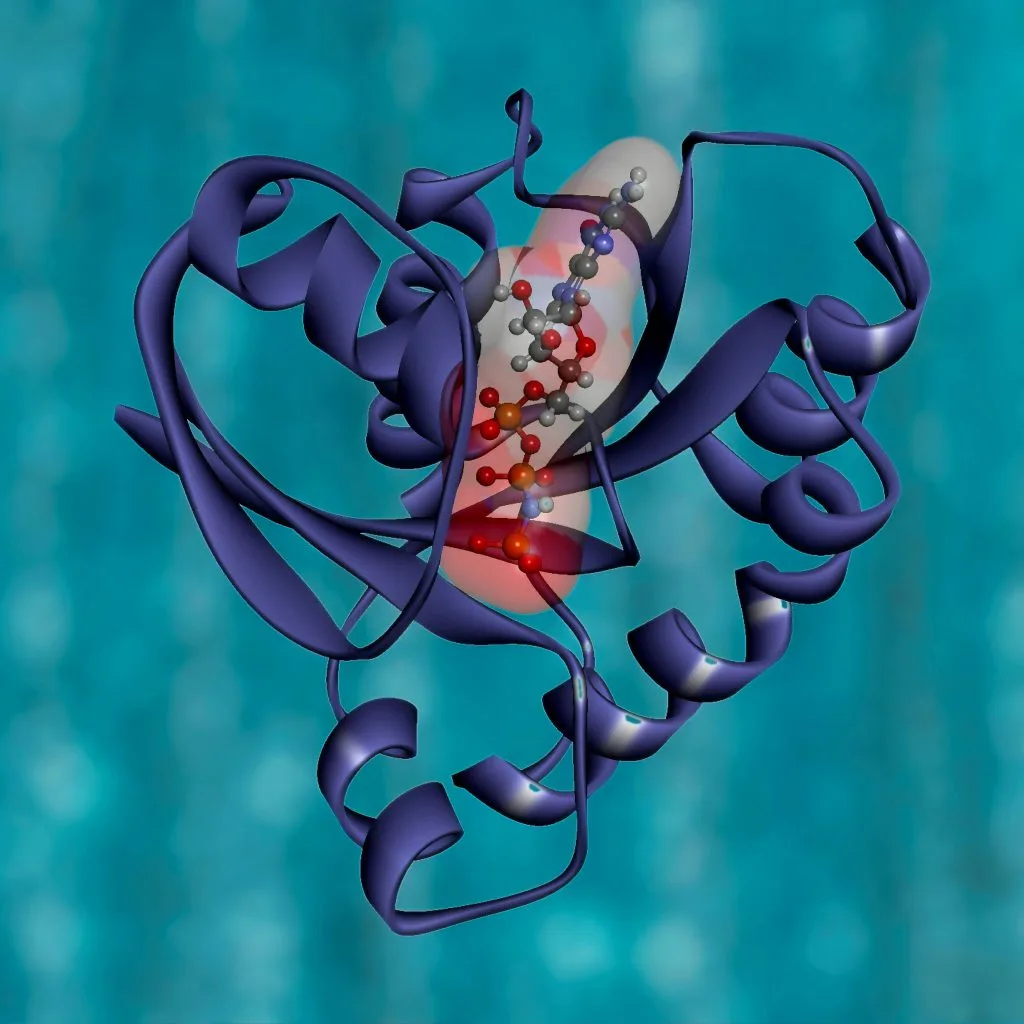
Proteins are like the Swiss Army knives of biology. They build tissues, transmit signals, accelerate chemical reactions and even defend us from diseases. But their ability to fulfill these functions depends on their complex three-dimensional structures. For decades, predicting these structures from amino acid sequences was a monumental challenge.
A turning point came with AlphaFold2 in 2020. Its advances later enabled structural predictions at an unprecedented scale, bringing researchers closer to studying nearly all the proteins in the sequence databases used. These are predictions with varying confidence levels, not experimentally verified structures in every case. The advance contributed to the 2024 Nobel Prize in Chemistry awarded to Hassabis and Jumper, shared with David Baker for computational protein design.
AlphaFold Superpowers
Imagine studying antibiotic resistance. Experimentally determining a structure can take considerable time; an AlphaFold prediction can provide a starting point for forming and testing hypotheses. The database developed with EMBL-EBI contains more than 200 million predictions. This opens research opportunities in drug discovery, enzyme engineering and plastic recycling, without removing the need for experiments.
A Medical Revolution on the Way
AlphaFold has surprising applications in medicine:
- Rapid Drug Discovery: Understanding the structure of a protein is like having the key to a molecular lock. Pharmaceutical companies can design more precise drugs for complex diseases such as cancer or Alzheimer's.
- Personalized Medicine: Studying protein variants can help researchers understand disease. Turning that knowledge into treatment decisions for an individual requires further validation; AlphaFold does not prescribe treatments.
- Global Impact: Access to predictions supports teams around the world, including those researching neglected diseases.
The Bigger Picture
AlphaFold is not only a scientific breakthrough; is an example of the potential of AI to solve humanity's most difficult problems. Although its focus is now on proteins, its success demonstrates that deep learning can address challenges that previously seemed impossible. What's next? AI solving climate change or discovering extraterrestrial life?
The Nobel Prize recognises the people who made these advances possible. AlphaFold shows how research and AI can work together to open new scientific possibilities. Medical applications require research and validation; predicting a structure does not by itself provide a treatment.
AlphaFold is helping biomedical researchers ask new questions.
Do you want to know more about this revolutionary tool? Discover all the details here
A story from the Saturdays.AI community. Originally published on Nov 28, 2024.
← More community stories