Learn Artificial Intelligence with these books
A selection of books exploring AI history, ethics and its main technical fields, from conceptual introductions to practical guides.
Learning artificial intelligence benefits from a mix of ideas, context and practice. This selection, originally published in 2023, brings together history and ethics books with guides to different technical fields. They do not all start from scratch: before choosing, check the contents, prerequisites and edition that best match your goal.
Books on History and Ethics of Artificial Intelligence
Before we dive into the technical aspects, it is essential to understand the history and ethics surrounding AI. We will explore 3 books that will provide you with a solid foundation in these key aspects:
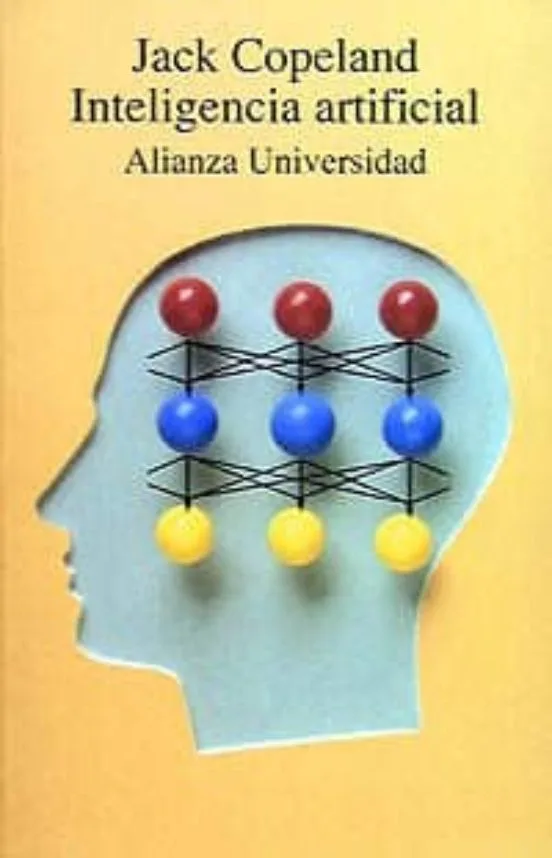
1- For a deep and philosophical understanding of artificial intelligence (AI), the book 'Artificial Intelligence: A Philosophical Introduction' by Jack Copeland is essential reading. Published in 1993 and remaining relevant today, this pioneering work offers a comprehensive overview of the history of AI and its fundamental concepts. Copeland meticulously examines the evolution of AI, providing a broad perspective of both its historical development and its philosophical aspects.
This book is a valuable source for those interested in the ethical and theoretical issues of AI, thoroughly exploring its technological and social impacts. It is ideal for students, professionals, and anyone fascinated by AI, offering detailed analysis and reflections on how artificial intelligence not only works, but also influences our society and philosophy. ‘Artificial Intelligence: A Philosophical Introduction’ is an essential guide to understanding the complexities and implications of AI in the modern world.
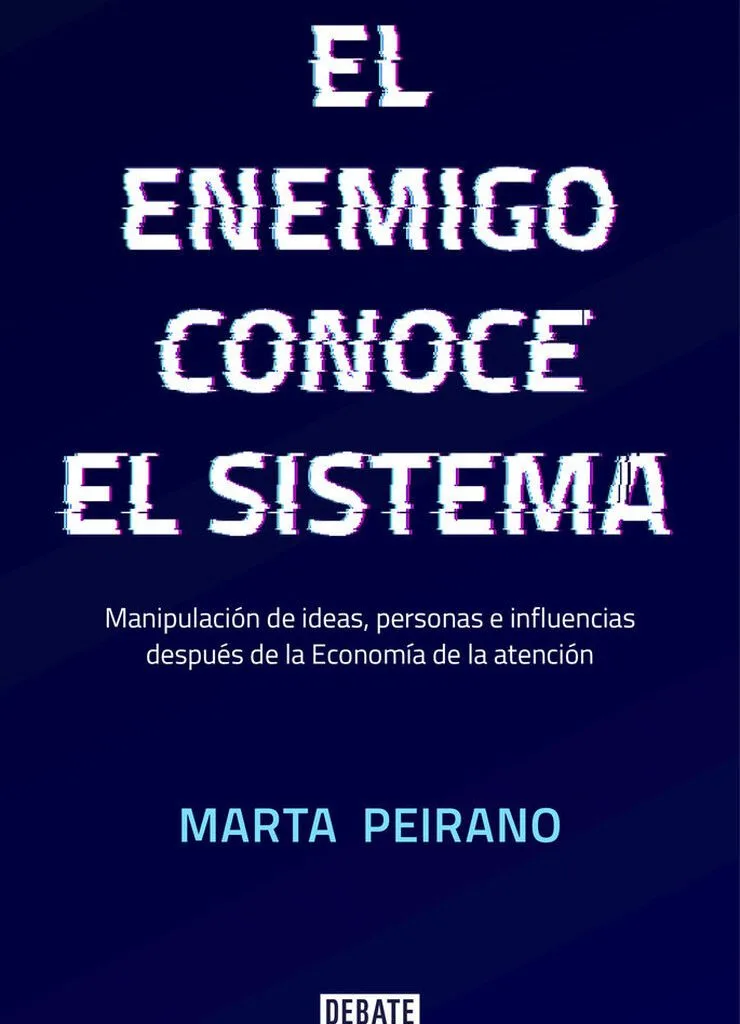
2- Discover in 'The Enemy Knows the System' by Marta Peirano, a detailed and insightful exploration of how technology is reshaping our society. Marta Peirano, technology and society expert, takes you on a journey from the dawn of computing to the current challenges of the digital age and surveillance. This book stands out for its critical and accessible approach, providing a unique insight into the complex network of interests and power behind everyday technologies.
Peirano masterfully reveals how digital practices impact our daily lives and our freedoms. With a deep and committed analysis, 'The Enemy Knows the System' is more than a book: it is an essential guide to understanding the ethical and political implications of our interaction with technology. Perfect for readers interested in the impact of technology on society, online privacy, and digital security. Immerse yourself in this essential reading to stay up to date with the technological challenges of the 21st century.
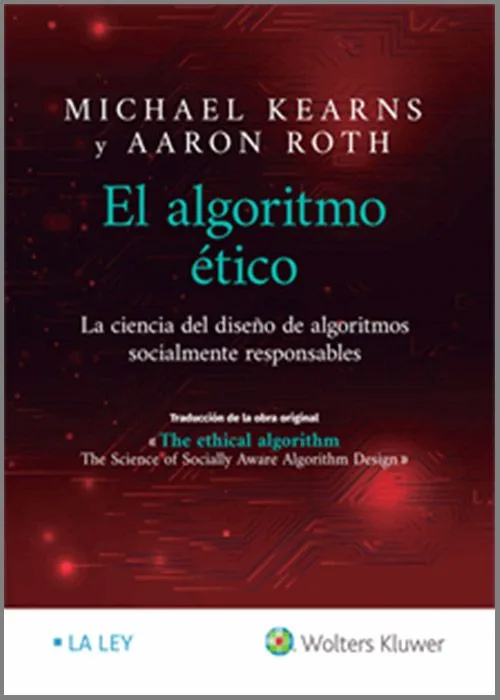
3- The book 'The ethical algorithm' by Michael Kearns and Aaron Roth addresses two main concerns in the field of AI: how algorithms can malfunction and the consequences of their optimal functioning. Kearns and Roth delve into critical topics such as algorithmic biases, offering an analytical and practical analysis for measuring and designing algorithms with ethical criteria.
The Ethical Algorithm combines accessible explanations with a quantitative perspective on algorithm design. It explores how properties such as privacy and fairness can be measured and the trade-offs involved in incorporating them into systems. It is useful for readers who want to understand the decisions behind automation.
Explore the main areas of AI
AI is a vast field that includes various interrelated areas, each with its own specialty and contribution to the advancement of smart technology. For each of these areas, we recommend a specific book that will help you understand and deepen from a basic level:
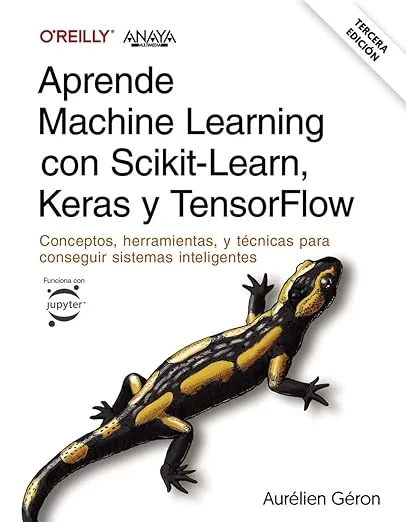
1. Machine learning is a central part of modern AI: it uses data to learn patterns and improve performance on specific tasks. To explore this field,Hands-On Machine Learning with Scikit-Learn, Keras, and TensorFlow» by Aurélien Géron offers a complete introduction.
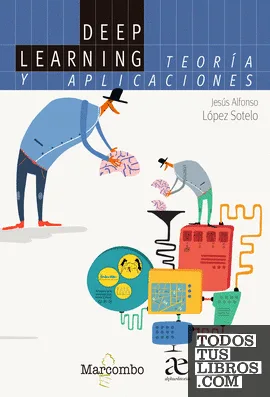
2. Deep Learning, a specialization of machine learning, uses deep neural networks to learn patterns in large volumes of data, being instrumental in areas such as computer vision and natural language processing. «Deep Learning: theory and applications», by Jesús Alfonso López Sotelo combines foundations and applications to explore this field.
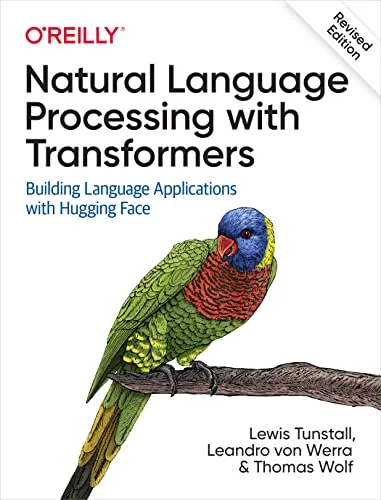
3. Natural language processing (NLP) covers tasks such as text analysis, question answering and translation. To study Transformer models, the book Natural Language Processing with Transformers, by Lewis Tunstall, Leandro von Werra and Thomas Wolf combines explanations with practical examples. The linked edition is in English and is most useful if you already know Python and machine learning.
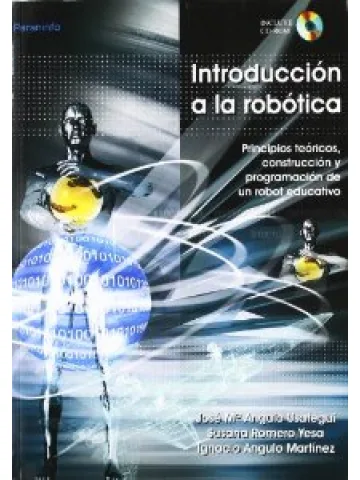
4. Robotics integrates AI with engineering to create robots capable of performing complex tasks. «Introduction to Robotics», by Phillip John McKerrow introduces the relationship between engineering, programming and robotics.
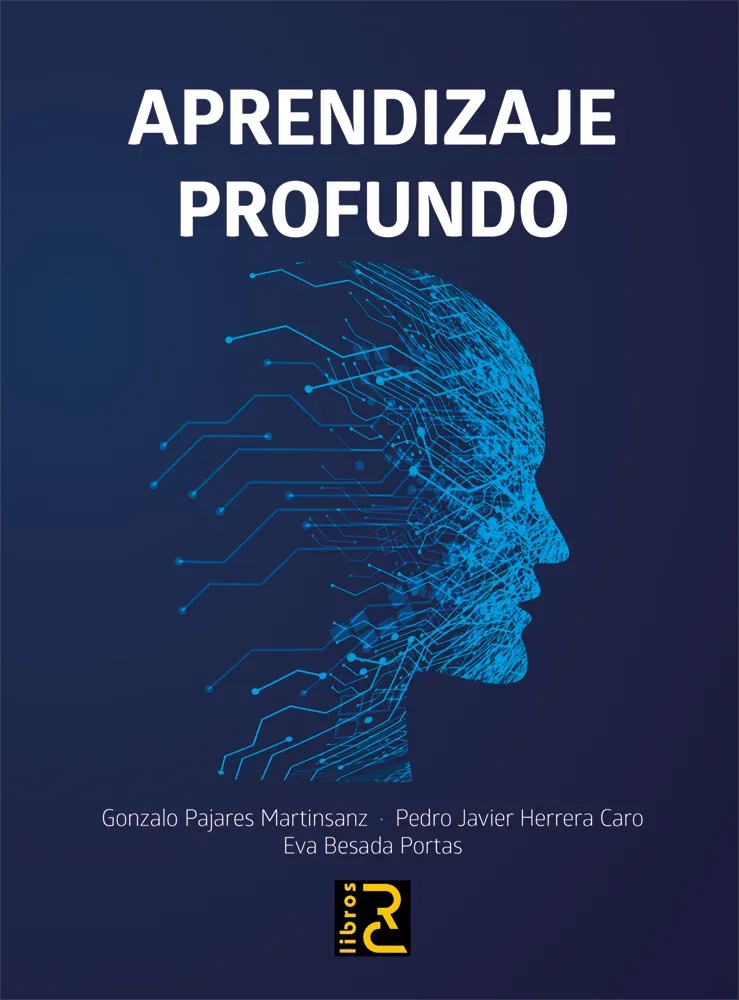
5. computer vision enables machines to analyse and interpret visual information. A related book is «Deep Learning», edited by Gonzalo Pajares Martinsanz, Pedro Javier Herrera Caro and Eva Besada Portas. It covers deep learning foundations and applications, including image recognition and object detection.
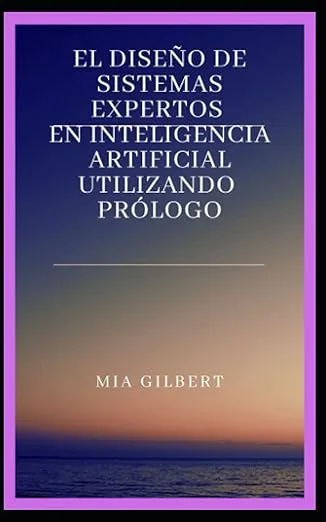
6. expert systems use knowledge and rules to solve problems in a specific field. The linked reference concerns «The design of AI expert systems using Prolog». Prolog is a logic programming language associated with knowledge representation and rule-based reasoning. This approach helps explain a tradition of AI distinct from models that learn from data.
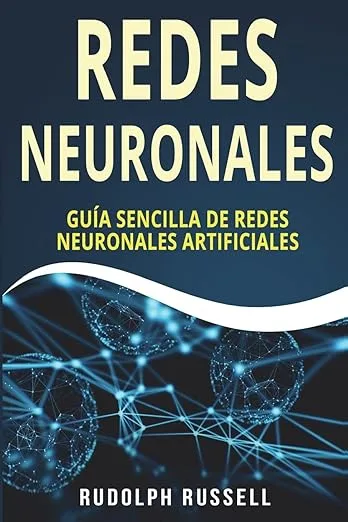
7. The Artificial Neural Networks (ANN), inspired by the human brain, are essential in machine learning and deep learning to recognize patterns and make decisions. «Neural Networks: Simple Guide to Artificial Neural Networks» will teach you about artificial neural networks and understand how they work in general.
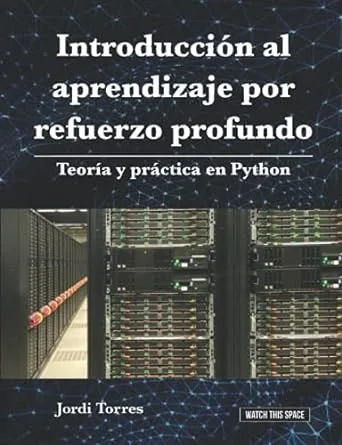
8. Reinforcement learning focuses on how agents learn to make decisions by optimizing rewards. We recommend the book by Jordi Torres: «Introducción al aprendizaje por refuerzo profundo. Teoría y práctica en Python (in Spanish). Its aim is to provide a first theoretical and practical introduction to the field. A foundation in programming will help you make the most of its examples.
Each of these components contributes to the evolution and progress of AI, opening up a world of possibilities and challenges. These books are gateways to exploring each area, providing both beginners and professionals with the tools necessary to understand and participate in this exciting field.
To continue learning about Artificial Intelligence (AI)
- PyCamp España 2026: four days of Python, nature and community
- AgroClaw: What we learned when building an AgTech agent
- SkyBlock Minecraft: the story of a living wiki
- AIoT in agriculture and livestock: when the fields begin to make decisions
- From existing project to digital product: how I built the Energía en Acción web app
A story from the Saturdays.AI community. Originally published on December 20, 2023.
← More community stories